News — musician-sourced classical & jazz journalism on Cadenza
News
Musician-sourced classical & jazz journalism — newest first.
Got a story? Tips are confidential — we protect our sources.
Submit a TipOctober 2026
1 story
Free opportunities & reporting, in your inbox every week.
The week's stories plus new auditions, competitions and gigs — for classical and jazz musicians.
September 2026
1 story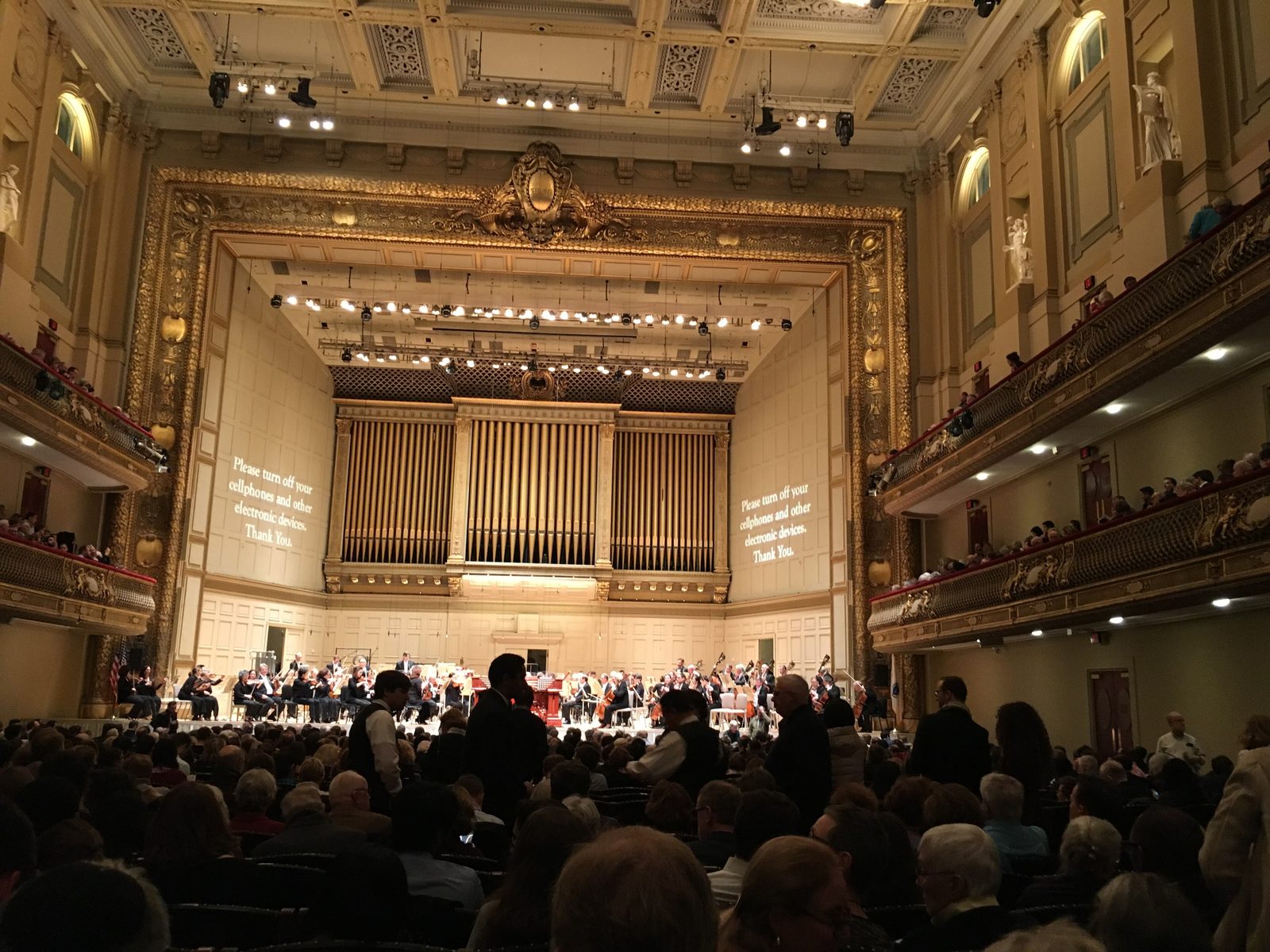
July 2026
5 stories
"Nobody Cancelled Mahler," They Say. Their Own Numbers Say Otherwise.
The establishment's favorite defense is to point at Boston's season page: three Mahler symphonies, see, nothing cancelled. But cancellation was never going to arrive as a press release. It arrives as arithmetic — and by the field's own reports, the broad canon's share of American orchestral programming fell from 95.5% of works to 77.4% in eight years. This is the case that the cancellation is real: slow, unannounced, works-count by works-count — with the marquee nights playing on as the alibi.

The Librarian’s Warning: Inside the Fight Over What the Boston Symphony Is For
A tenured BSO musician says Andris Nelsons wasn’t the cause of the orchestra’s crisis but the fall guy for a years-long shift from orchestra to corporation. Cadenza tested every claim: the transformation is documented, the plan unproven, the broken trust beyond dispute.
The Concert Hall Is Not Your Protest Rally. It Is Also Not Your Loyalty Tribunal.
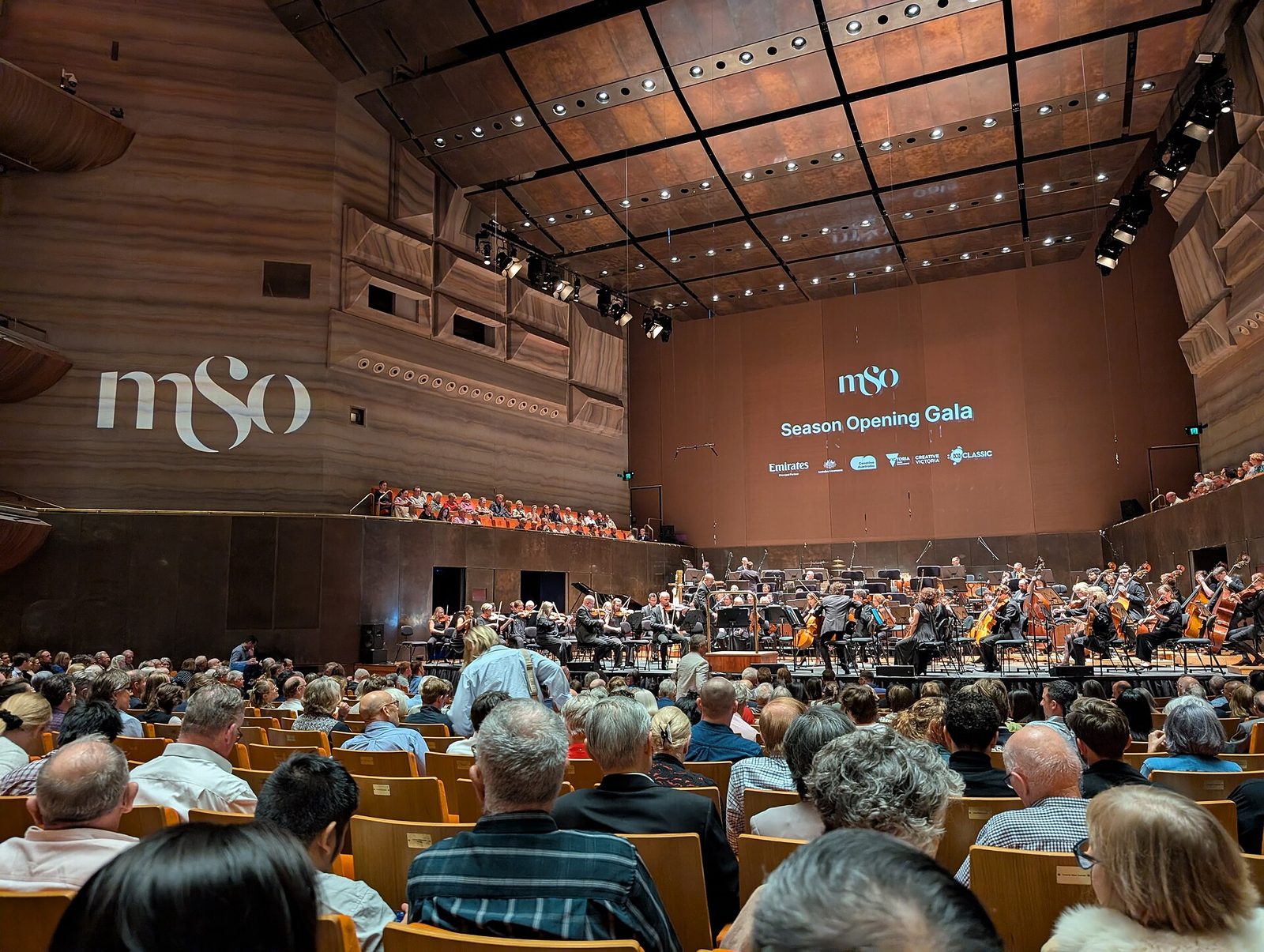
Jayson Gillham lost his Federal Court case against the Melbourne Symphony. The judgment supports a rule the arts business urgently needs: an artist may not commandeer a presenter's stage, and a presenter may not commandeer an artist's conscience. We tracked the ruling, the money, the governance implosion, and 25 years of classical music's political double standards — a 17-case, 42-source investigation.

Make Elon Musk CEO of America's Orchestras. They Don't Have a Money Problem — They Have a Peter Gelb Problem.
A thought experiment, taken seriously: what if the world's most relentless operator ran the Metropolitan Opera the way he runs SpaceX? Against Peter Gelb — $2.2M salary, $47M deficit, a $120M endowment raid, and a Caa1 junk rating — and the ghost of New York City Opera, which spent a $57M endowment to zero before Chapter 11, it isn't close. On the record, Musk wins 7–1. Because classical music doesn't have a money problem. It has a leadership problem.

The Boston Symphony Fired the Best Conductor Alive. Then He Won a Grammy, Vienna, and Germany’s Top Prize — While Chad Smith Called It “Sound.”
In February, Andris Nelsons won his fourth Grammy for Best Orchestral Performance with the Boston Symphony. Weeks later, the BSO board moved to fire him. Since then Vienna has made him an honorary member, Germany has named him Conductor of the Year, and Leipzig has re-signed him to 2032. In June, CEO Chad Smith finally explained the decision — and confirmed every fear his critics had. This is the case against him, built entirely from the record.
June 2026
1 storyMay 2026
8 stories
Gustavo Dudamel leaves the LA Philharmonic for New York in August. His successor, named May 26, is Daniel Harding — a 50-year-old Englishman who will conduct as few as eight weeks a season atop a committee of conductors. New York bought a star. Los Angeles bought a coordinator.
On May 26 the Los Angeles Philharmonic named Daniel Harding its 12th music director, succeeding Gustavo Dudamel. He begins in 2027–28 with eight weeks, rising to twelve — beside Salonen as creative director, Dudamel returning four weeks, a conductor-in-residence and a Bowl conductor. Two flagship American orchestras settled their futures the same month on opposite theories of leadership: New York bought a star, Los Angeles a coordinator.
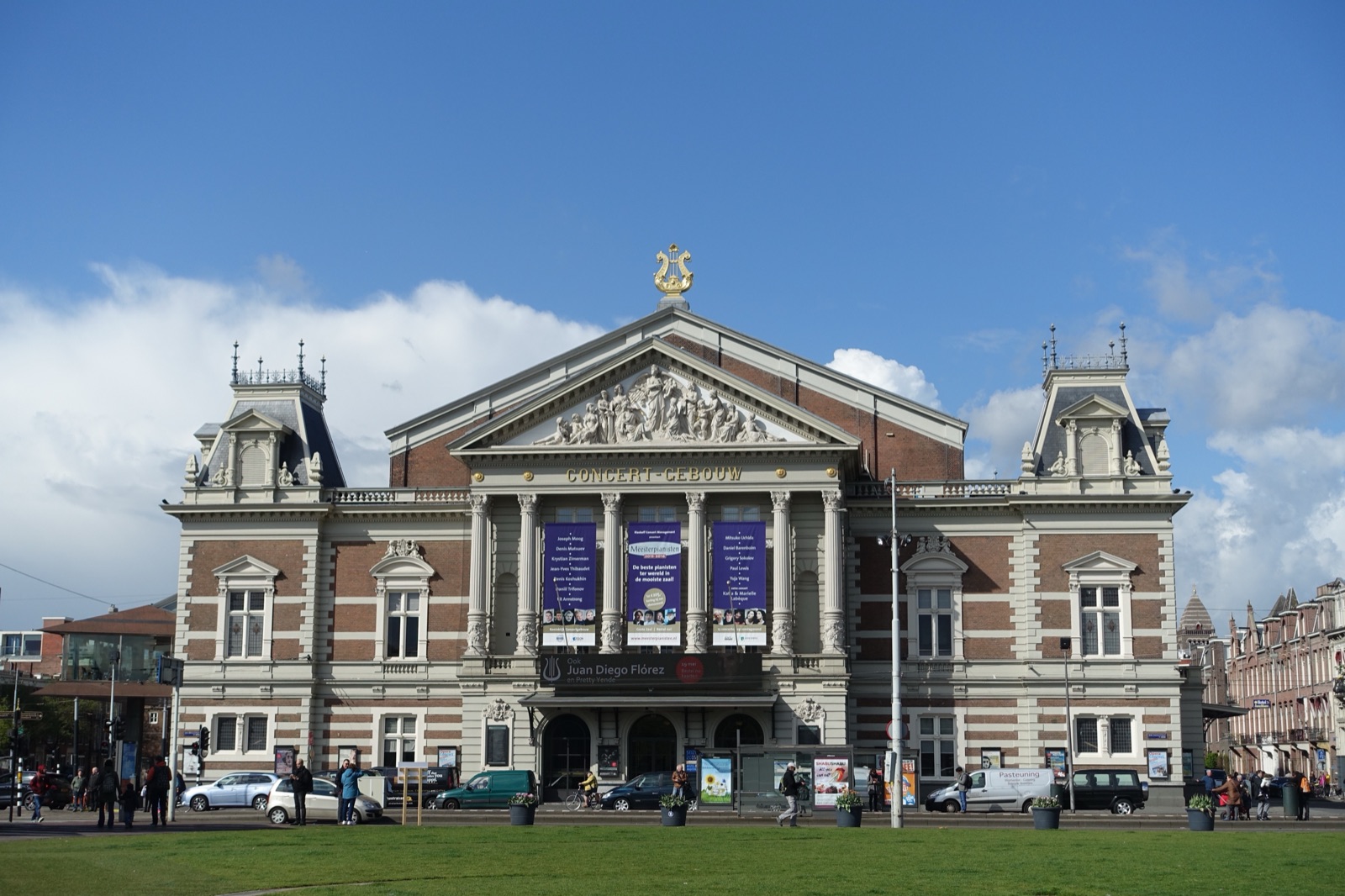
Classical music has a cancel culture. Here’s what it actually does. Twenty years of selective enforcement, settlement-and-silence, and the silent re-engagement of fired conductors at houses less exposed to the news cycle.
A Cadenza investigation: every major classical-music cancellation 2000–2026 — Levine, Dutoit, Domingo, Gatti, Preucil, Daniels, Gardiner, Gergiev, Netrebko, Currentzis — mapped into four brackets. 21-year average between first institutional knowledge and action; European houses rehabilitate within months while American houses do not; the variable that produces action is publication, not information.
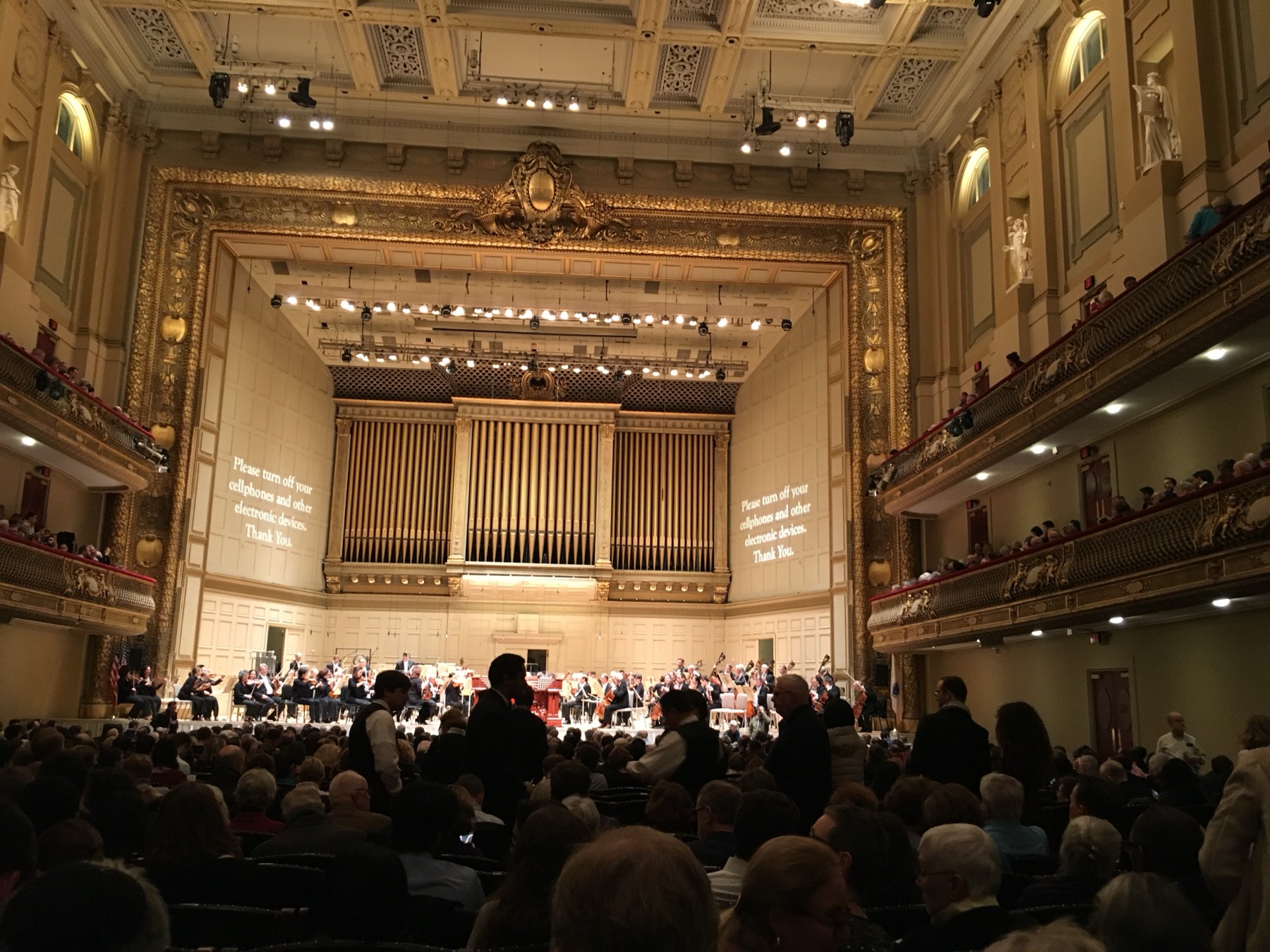
The American symphony orchestra gets 13% of its revenue from the public. The European equivalent gets 50%. Nine American orchestras have already closed since 2008. The full body count, the funding math, and the names of the people running these institutions into the ground.
Nine American orchestras have closed since 2008. Two filed for bankruptcy. Three of the Big-3 — Boston, New York, Los Angeles — are in simultaneous music-directorship crisis. The Met is at junk debt. The Kennedy Center is closed. The NEA has been eliminated. American orchestras receive 13¢ on the dollar from the public; Europeans get 50¢. Cadenza ties every institutional crisis together — with named accountability and predictions of which orchestras fall next.
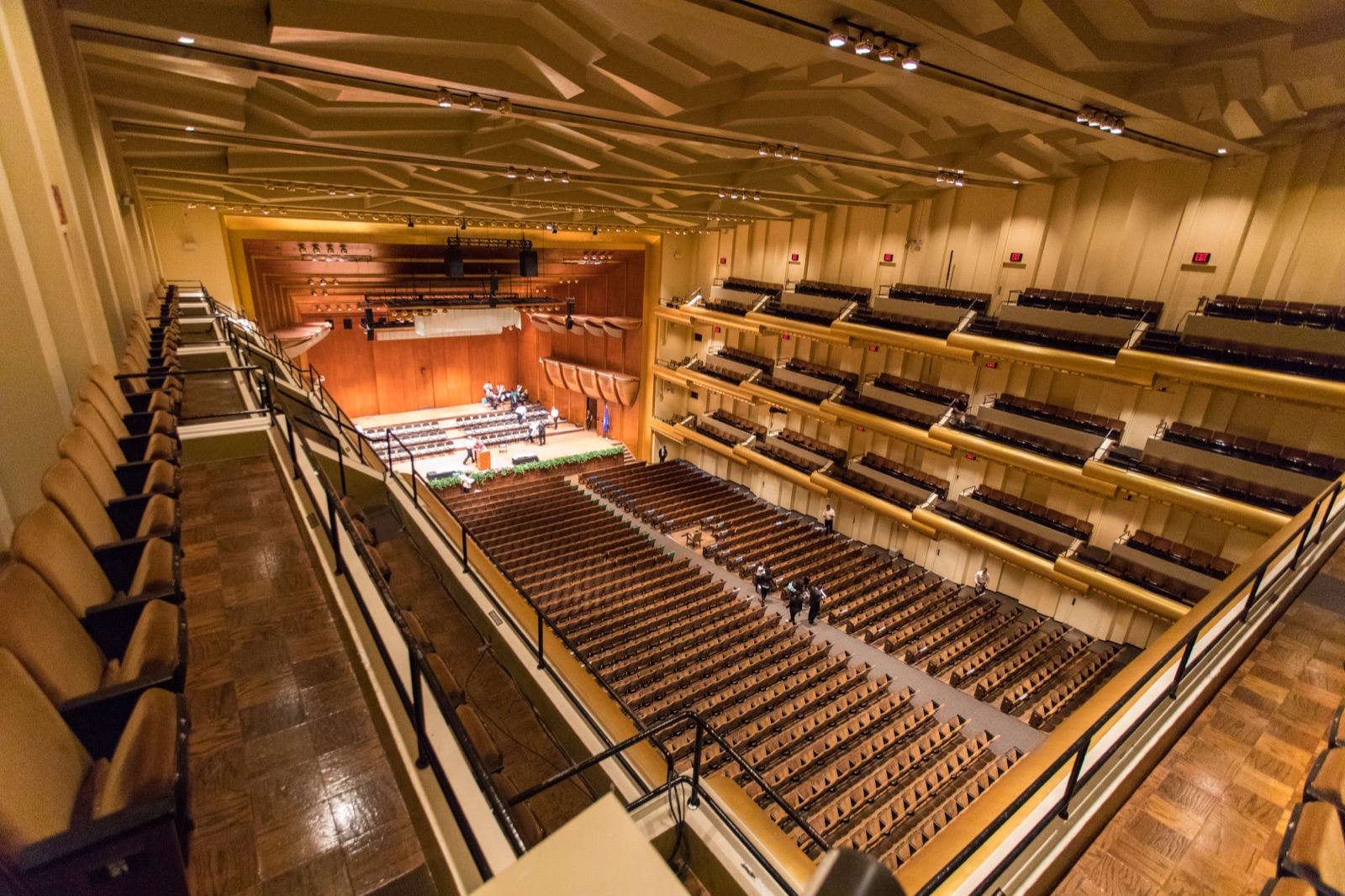
Leonard Bernstein left the New York Philharmonic in 1969. Fifty-four years later, the orchestra’s largest-ever endowment named “the Golden Age under Maestro Leonard Bernstein” as its strategic target. The hire it bought is Gustavo Dudamel.
The New York Philharmonic did not run a search for its next music director. Its chief executive said so the day of the announcement. The $40M Tang chair endows a vision of recovering the Bernstein era — which ended in 1969. The full record of why other maestros — Salonen, Mälkki, Hrůša, Mäkelä, Nelsons, Nézet-Séguin, Fischer — would have been deeper hires, and why Cadenza does not think Gustavo Dudamel is the right choice for this institution at this moment.

Paulo Fernandes accused his U.S. dealer of fabricating European factory visits. AMATI Kraslice hasn’t responded in six days.
AMATI Kraslice's sole listed worldwide-sales contact, in his fourth month in role, accused a paying U.S. dealer of fabricating European factory visits, instructed the dealer to remove AMATI products from his catalog, and summarized the cooperative's termination policy in five words. Six days later, the cooperative — 350 years of Bohemian craft, owned since 2021 by RIQ Investments — has not produced a single written reply. The full documentary record.

Why Jonathan Biss Resigned From the Royal Conservatory of Music
When Jonathan Biss resigned from the Royal Conservatory's Glenn Gould School on April 28, 2026, he wrote in the Toronto Star that he had "no other choice." Lusiana Lukman had alleged sexual abuse by the late RCM pedagogue Boris Berlin; a second family account had surfaced; no external investigation had been launched. Three days later, the board announced one. The documented timeline of how a major conservatory responded.

Fire Chad Smith. The Memo Is the Confession. The Orchestra Needs to Fight Back.
On March 6, 2026 the BSO fired Andris Nelsons over what the board called "future vision." On April 21, board chair Barbara Hostetter sent ~170 major donors a long memo. It diagnoses the institution as the patient, blames its critics for the disease, and asks for hundreds of millions to treat it. Read what the BSO board wrote when it thought only its donors were listening — and what the orchestra has not yet done about it.
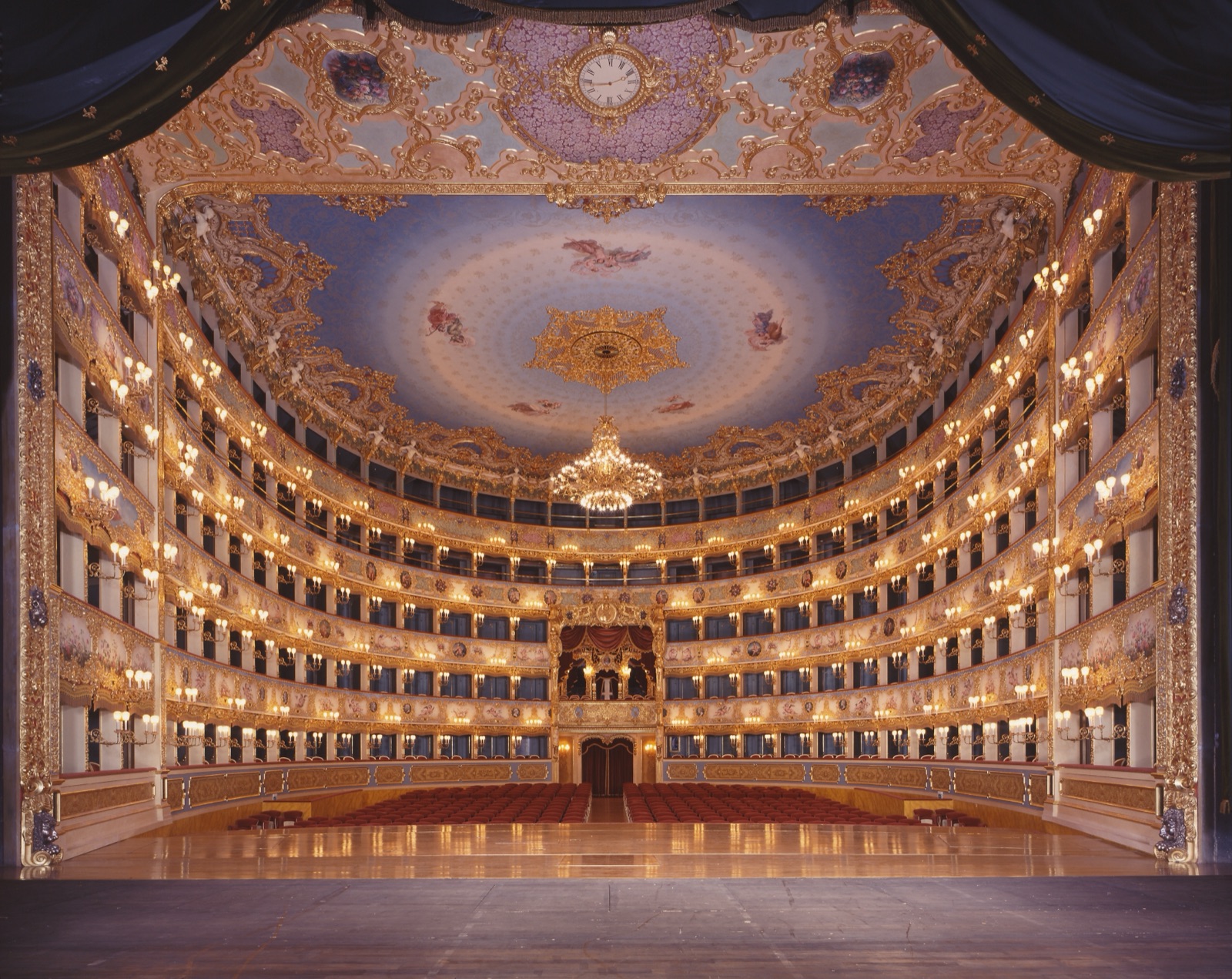
Meloni's Conductor Accused La Fenice of Nepotism. La Fenice Fired Her.
Italy's government helped Beatrice Venezi become the first female music director of Teatro La Fenice. Then she gave an interview to an Argentine newspaper and accused the orchestra of inheriting jobs "from father to son." Three days later she was fired — without ever conducting a single performance there. The full record of how she got the job, and how she lost it.
April 2026
6 stories
Timothée Chalamet Was Right About Opera. The Industry's Answer Was Worse Than His Question.
Timothée Chalamet said nobody cares about opera. The Royal Opera House, Seattle Opera, ENO, Isabel Leonard, Deepa Johnny, Charlize Theron — they all answered him. The Metropolitan Opera did not. The Boston Symphony Orchestra did not. Peter Gelb did not. Every administrator whose 990 and box office Chalamet had, accidentally, described — stayed silent. He got the symptom right. The industry's answer was worse than his question.
They Fired Nelsons for Ideology. Every Orchestra That Did This Before Them Is Now Collapsing.
Forty-seven days after the BSO fired Andris Nelsons — a five-time Grammy winner whose musicians compared him to Karajan — the board still will not say why. The silence is the strategy. The institutions that chose this path before Boston are the evidence. The ENO was exiled from London. The San Francisco Symphony lost its conductor and $200 million. The Minnesota Orchestra locked out its musicians for 16 months. The Metropolitan Opera is rated junk. This is the ward Boston just entered.
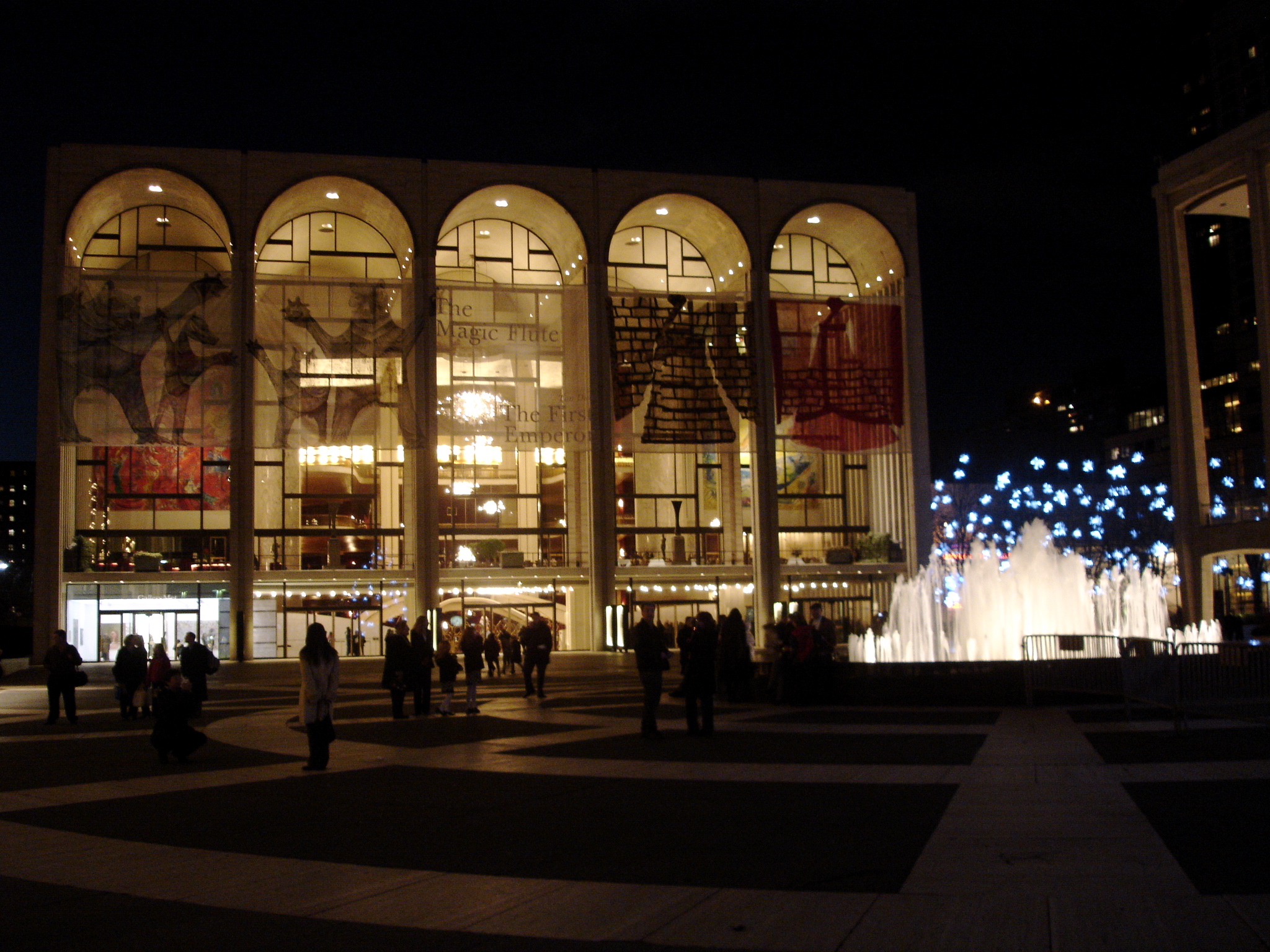
Peter Gelb: Why Does Everyone Hate Him?
20 years as General Manager. $2.2 million salary. $47 million deficit. $120 million raided from the endowment. Moody's junk rating. 17 productions — a 60-year low. The most powerful man in American opera. The most criticized man in classical music. The complete record.

Is the Orchestra Racist?
The data says something nobody wants to hear. Blind auditions took women from 5% to 47%. Black musicians: 2.1% after $8M in DEI spending. 1.3 million children have no music classes. The screen works. The pipeline is broken.
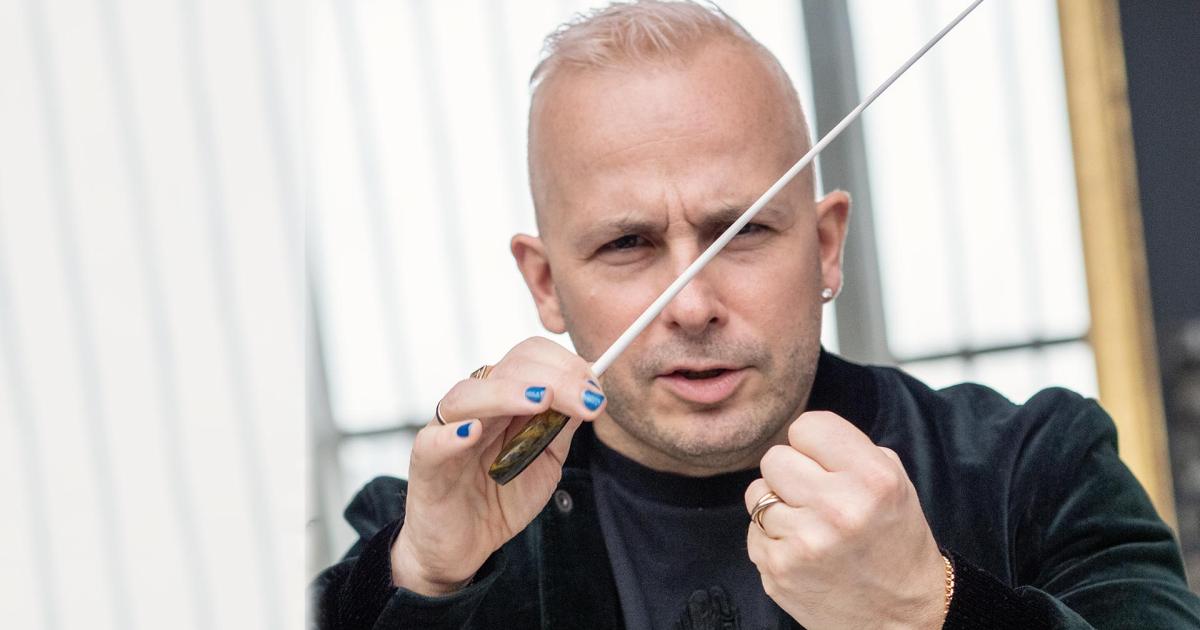
The Silence of Yannick Nézet-Séguin
He earns over $3.5 million a year from two orchestras. When his musicians were furloughed without pay, he said nothing publicly for 11 months. The data on the most powerful conductor in North America.
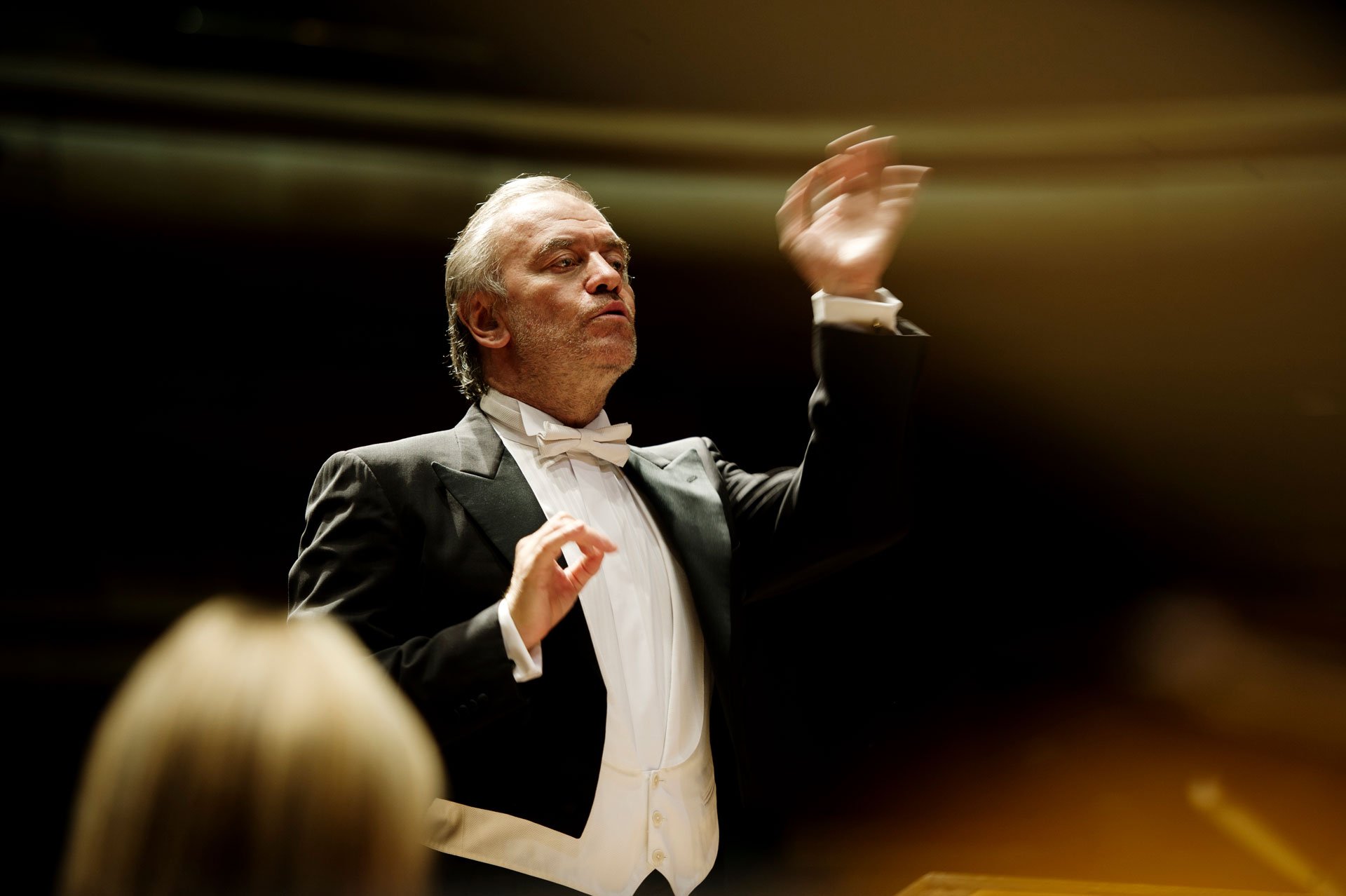
The Most Dangerous Conductor in the World
The West banned Valery Gergiev. He responded by building the largest musical empire on earth. 356 musicians. 7 stages. 40 cities. 20,000 kilometers by train. The numbers behind what nobody in the West is talking about.
March 2026
2 stories
The People Who Failed Classical Music: A List of Names, Decisions, and Consequences — 40 Years of Institutional Destruction
Peter Gelb drained $120 million from the Met's endowment. Susan Baker burned City Opera's $48 million fund to $5 million. Halbe Zijlstra announced €200 million in arts cuts with a smile. Chad Smith fired a Grammy winner via email. Nadine Dorries exiled ENO from London. The BSO board gave Carney a laureate title and Nelsons a Friday email. This is the list. Named. Documented. Unforgivable.

While the West Debates DEI and Proposes Eliminating Arts Funding, China Built 40 Concert Halls and Russia Trained 800,000 Children for Free
80 million piano students in China. 5,000 state-funded children's music schools in Russia — tuition: free. 40 new concert halls in China since 2000 at a cost exceeding $10 billion. Meanwhile: 30 US orchestras have closed. UK music exam entries down 40%. The average American orchestra subscriber is 67 years old. Classical music's share of global streaming: 1%. This is the scoreboard.